
Chopsticks are the primary eating utensils across many Asian countries, including Vietnam. For Vietnamese people, chopsticks are more than just tools for handling food—they carry deep cultural meaning and reflect etiquette, respect, and communal spirit during meals.
Understanding how to use chopsticks properly is an essential part of experiencing Vietnamese cuisine. It not only helps you enjoy the meal more fully, but also shows appreciation for local customs and traditions.
How to Hold Chopsticks Correctly
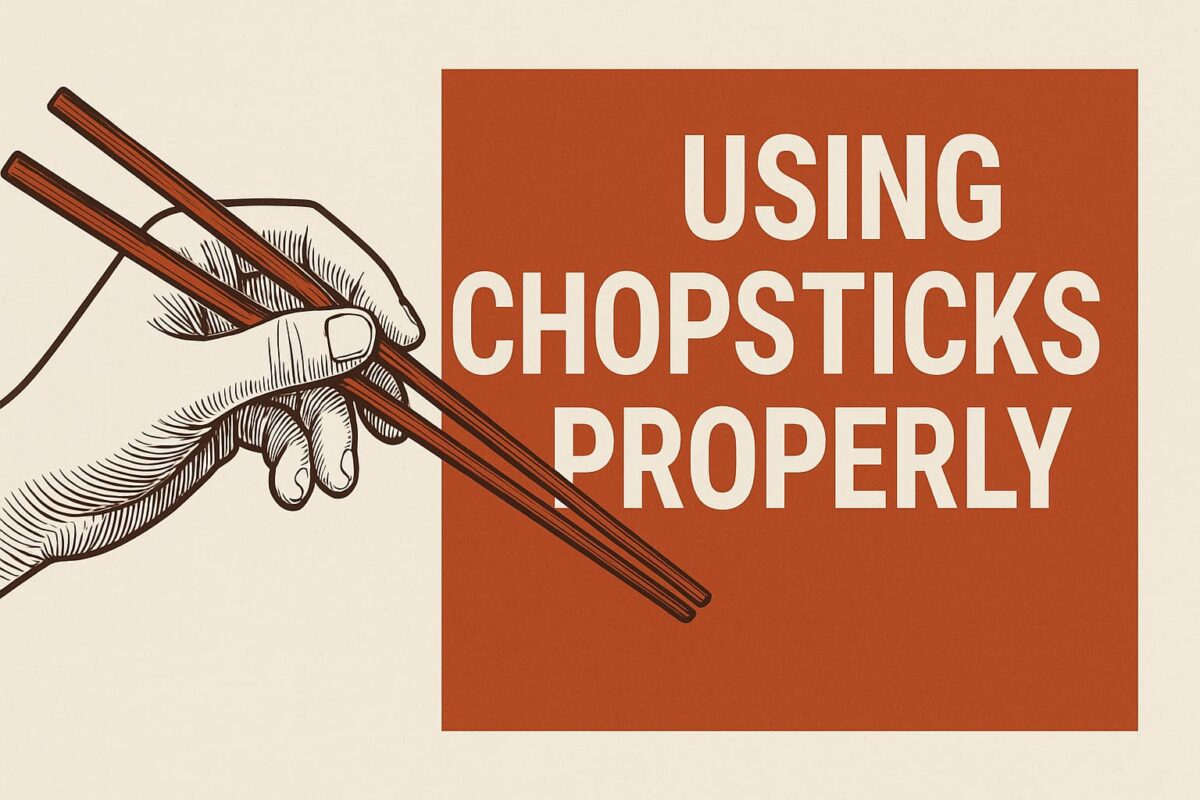
To use chopsticks effectively, it’s important to learn the proper grip. Here’s a simple step-by-step guide:
- Step 1: Hold one chopstick between your thumb and index finger, resting it against the base of your thumb and the side of your ring finger. This chopstick remains stationary.
- Step 2: Place the second chopstick between your index and middle fingers. Use your thumb to control its movement.
- Step 3: Make sure the tips of the chopsticks align. Practice moving only the top chopstick to pick up food while keeping the bottom one still.
With a bit of practice, you’ll be able to use chopsticks naturally, just like the locals do.
Things You Should Do When Using Chopsticks
When dining with Vietnamese people or eating at traditional restaurants, it’s helpful to follow these common courtesies:
- Use the clean ends of your chopsticks when taking food from shared dishes. If serving utensils are provided, use them instead of your personal chopsticks.
- Rest your chopsticks neatly on a chopstick holder or on the edge of your bowl when not in use. Avoid letting them roll around on the table.
- Respect elders: In Vietnamese culture, it’s customary to wait for older people to begin eating before you start. This reflects good manners and respect.
Things to Avoid When Using Chopsticks
In addition to what you should do, there are certain actions to avoid as they may be considered disrespectful or inappropriate:
- Do not stick your chopsticks upright into a bowl of rice. This resembles incense offerings at funerals and is seen as a taboo during meals.
- Do not point at others with chopsticks or use them to gesture. This is considered impolite.
- Do not tap chopsticks on bowls or plates. This sound is traditionally associated with begging and is considered rude in Vietnamese culture.
Special Tips for Tourists
- Observe how locals use chopsticks: Watching others during meals can help you quickly pick up proper techniques and etiquette.
- Don’t hesitate to ask for a spoon or fork: If you find chopsticks difficult to use, feel free to politely request alternative utensils. Vietnamese hosts are usually very accommodating and understanding.
Conclusion
Learning how to use chopsticks correctly enhances your culinary experience in Vietnam and shows respect for the country’s rich traditions.
Start with the basics and practice regularly. Small gestures—such as using clean chopsticks for shared dishes, resting them properly, and avoiding cultural taboos—go a long way in making a positive impression.
Be a mindful traveler, and let your journey through Vietnamese cuisine be as respectful as it is unforgettable.
